The Great Game Round-Up brings you the latest newsworthy developments regarding Central Asia and the Caucasus region. We document the struggle for influence, power, hegemony and profits between a U.S.-dominated NATO, its GCC proxies, Russia, China and other regional players.
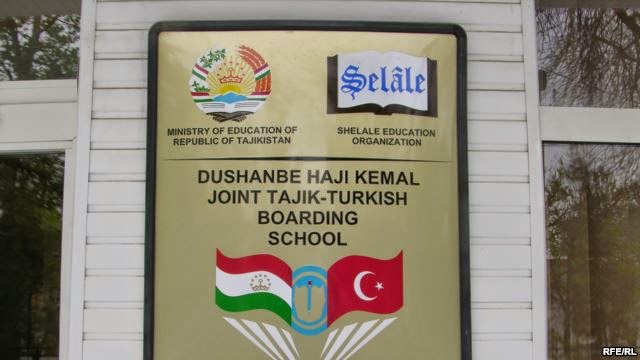
Since the end of 2013, Turkey has been engulfed in a relentless power struggle between Recep Tayyip Erdogan, who left his post as Turkish Prime Minister last year just to become the country's 12th President, and the influential CIA-backed movement of self-described “imam, preacher, and civil society activist” Fethullah Gülen, who has been living in the United States ever since he was forced to flee Turkey in 1999. The conflict between the former allies has now reached a point where President Erdogan is preparing to add the Gülen movement to Turkey's “Red Book,” meaning that the organization will be classified as a threat to Turkey's national security. Although the power struggle has largely been taking place in Turkey, other countries, such as Azerbaijan, have been affected as well and Erdogan is not the only one who is currently trying to contain the activities of the shadowy movement. The regimes in Central Asia are increasingly suspicious of Gülen's schools and with good reason. After Russia and Uzbekistan had already closed down the schools more than a decade ago, Turkmenistan followed suit in recent years and Gülen's schools in Tajikistan are now also under high scrutiny, as Erdogan's mouthpiece Daily Sabah triumphantly announced this week:
Tajikistan to discontinue Gülen schools, citing ‘shadowy mission’
Saidov Nuriddin Saidovich, Tajikistan's minister of education and science, announced that they will not extend the agreement they had made with the Gülen Movement over permission to operate schools in the country, since they consider the mission of the schools belonging to the group as “shadowy.”
According to the local press, an official from the ministry, Rohimjon Saidov, also said there will be an end to the agreement between the Gülen Movement and the Tajik government over the schools they run in the region. Saidov added that the deal made with the education institutions in question expires in 2015 and that the country will no longer extend it.
There are currently 10 schools in Tajikistan run by the movement. The first school affiliated with the group was opened in the country in 1992. For the last decade, the purposes of the schools have become a hot debate in the Turkish government. There have been numerous demands for their closure by Ankara.
 German News, German Breaking News, German Latest News