Urumqi, the capital of China's Xinjiang Uyghur Autonomous Region, was rocked by several terrorist attacks last year. One of these attacks, the double suicide car bombing in May, which left 43 people dead and more than 90 injured, prompted the Chinese government to launch a one-year-long no-holds-barred anti-terror campaign. Especially Xinjiang's Uyghur population is suffering from the anti-terror campaign and Western media outlets lose no opportunity to draw attention to the plight of the Uyghurs. In recent weeks, much of the reporting has focused on Urumqi's burqa ban. Last month, the capital of Xinjiang banned the wearing of Islamic veils in public and legislators approved the regulation a few days ago but it is not clear when it will take effect. Faced with mounting criticism, Beijing is using all available means to prevent the usual suspects from continuing with their propaganda campaign against China. The Chinese authorities are fed up with the “biased reporting,” which highlights government repression of Uyghurs and tries to blame all violence in Xinjiang on “China's hostile policy”:
Police in China shoot dead six in restive Xinjiang
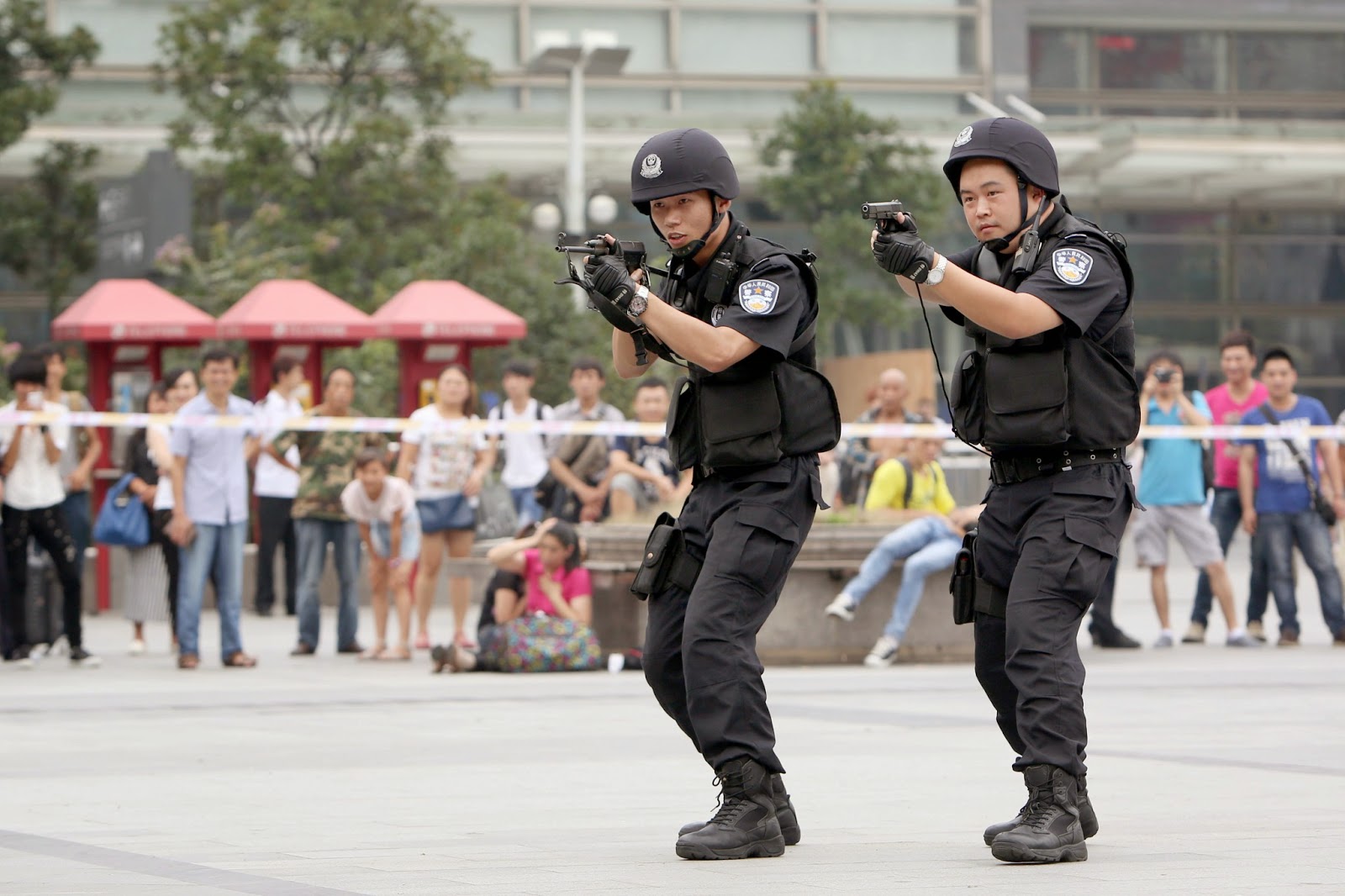
A group of “mobsters” on Monday tried to set off an explosive device in a business district in China's troubled western region of Xinjiang, prompting police to shoot six of them dead, the local government said.
Police in Shule county, south of the old Silk Road city of Kashgar, had acted on a tip-off about “a suspicious person carrying an explosive device”, the Xinjiang government said on its official news website.
China's allegations were an “excuse to cover up the excessive use of force”, said Dilxat Raxit, spokesman for exile group the World Uyghur Congress.
“China's hostile policy will only provoke more turbulence there,” he said in emailed comments.
 |
| © Photo Getty Images/ChinaFotoPress |
 German News, German Breaking News, German Latest News