The Great Game Round-Up brings you the latest newsworthy developments regarding Central Asia and the Caucasus region. We document the struggle for influence, power, hegemony and profits between a U.S.-dominated NATO, its GCC proxies, Russia, China and other regional players.
Islamabad's recent offer to bring the Taliban to the negotiation table for renewed peace talks with the Afghan government is just one example of Pakistan's influence over the Taliban movement in general and its new leader Mullah Akhtar Mansoor in particular. According to some Taliban sources, Pakistan is now taking a two-pronged approach in dealing with the movement. On the one hand, the Pakistani authorities are backing Mansoor and negotiations with Kabul but, on the other hand, they are also supporting the hawkish anti-Mansoor faction in order to keep the new supremo in check and continue the fight in Afghanistan. A senior Afghan intelligence official confirmed this, pointing out that Pakistan recently helped Mansoor's rival Abdul Qayyum “Zakir” launch large-scale offensives in the south of the country, which prompted Mansoor to offer Zakir to become his first deputy or Taliban shadow defense minister. Against this backdrop, it is interesting to note that the United States is now implicating Pakistani intelligence in the Taliban's takeover of Kunduz as well:
APNewsBreak: US analysts knew Afghan site was hospital
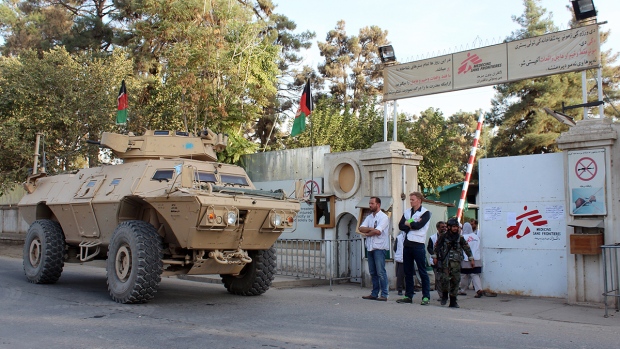
American special operations analysts were gathering intelligence on an Afghan hospital days before it was destroyed by a U.S. military attack because they believed it was being used by a Pakistani operative to coordinate Taliban activity, The Associated Press has learned.
The special operations analysts had assembled a dossier that included maps with the hospital circled, along with indications that intelligence agencies were tracking the location of the Pakistani operative and activity reports based on overhead surveillance, according to a former intelligence official who is familiar with some of the documents describing the site. The intelligence suggested the hospital was being used as a Taliban command and control center and may have housed heavy weapons.
After the attack — which came amidst a battle to retake the northern Afghan city of Kunduz from the Taliban — some U.S. analysts assessed that the strike had been justified, the former officer says. They concluded that the Pakistani, believed to have been working for his country's Inter-Service Intelligence directorate, had been killed.
 |
| © Photo Najim Rahim/AP |
 German News, German Breaking News, German Latest News