Iceland: Early Bird Registration for World Geothermal Congress 2020 Expires on 15 January

World Geothermal Congress 2020 – Early bird registration expires on 15 January (WGC 2020)

The early bird registration for WGC 2020 will expire after January 15th. Save by registering now!

Members of the Geothermal Resources Council (GRC) are automatically members of the International Geothermal Association (IGA) and are therefore eligible for the IGA Member discount of ISK 120,000, if you register before January 15th. Non-members can register for ISK 140,000 and students pay just ISK 60,000.

The World Geothermal Congress is a unique platform which attracts a global audience of decision makers in the geothermal world. The event brings together industry leaders, and key stakeholders both from established and emerging geothermal countries as well as government officials and international financial institutions.

WGC will bring together more than 3,000 delegates attending from Africa, Asia, Europe and the Americas, sharing their experience and vision for our industry and shaping the direction of geothermal for decades to come. The delegates will have a unique opportunity to see first-hand how Iceland became a global leader in geothermal utilization during short field trips in the evenings or longer excursions to the islands many geothermal areas. Hopefully they will go home to their respective countries ready to take the next step towards implementing sustainable energy solutions based on their own geothermal resources.

More Information………

New Zealand: Solution to Meet Renewable Energy Targets is Deeper, Supercritical Geothermal – GNS Science

Searching for New Zealand’s electricity future in the deep heat (Stuff)

(Courtesy CIA.gov)
Deep underground, in places where it’s so hot water doesn’t exist in distinct liquid and gas phases, lies a resource that is hoped will play a key role in New Zealand’s energy future.

GNS Science is optimistic so-called supercritical geothermal is part of the solution to achieving the Government’s “ambitious renewable” energy targets. But it’s years away.

During 2019 the New Zealand Government decided to spend $10.7 million over five years to identify the best places to find the resource in New Zealand, and to find out more about it.

According to GNS, conventional geothermal alone cannot get New Zealand to the Government target of 100 per cent renewable electricity by 2035, and net-zero greenhouse gas emissions by 2050.

“The solution is deeper, supercritical geothermal,” GNS said in its funding bid.

USA, New Mexico: New Turboden Turbine Increases Output at Lightning Dock Geothermal Plant

The Repowering of the Lightning Dock Geothermal Plant in New Mexico (News Release)

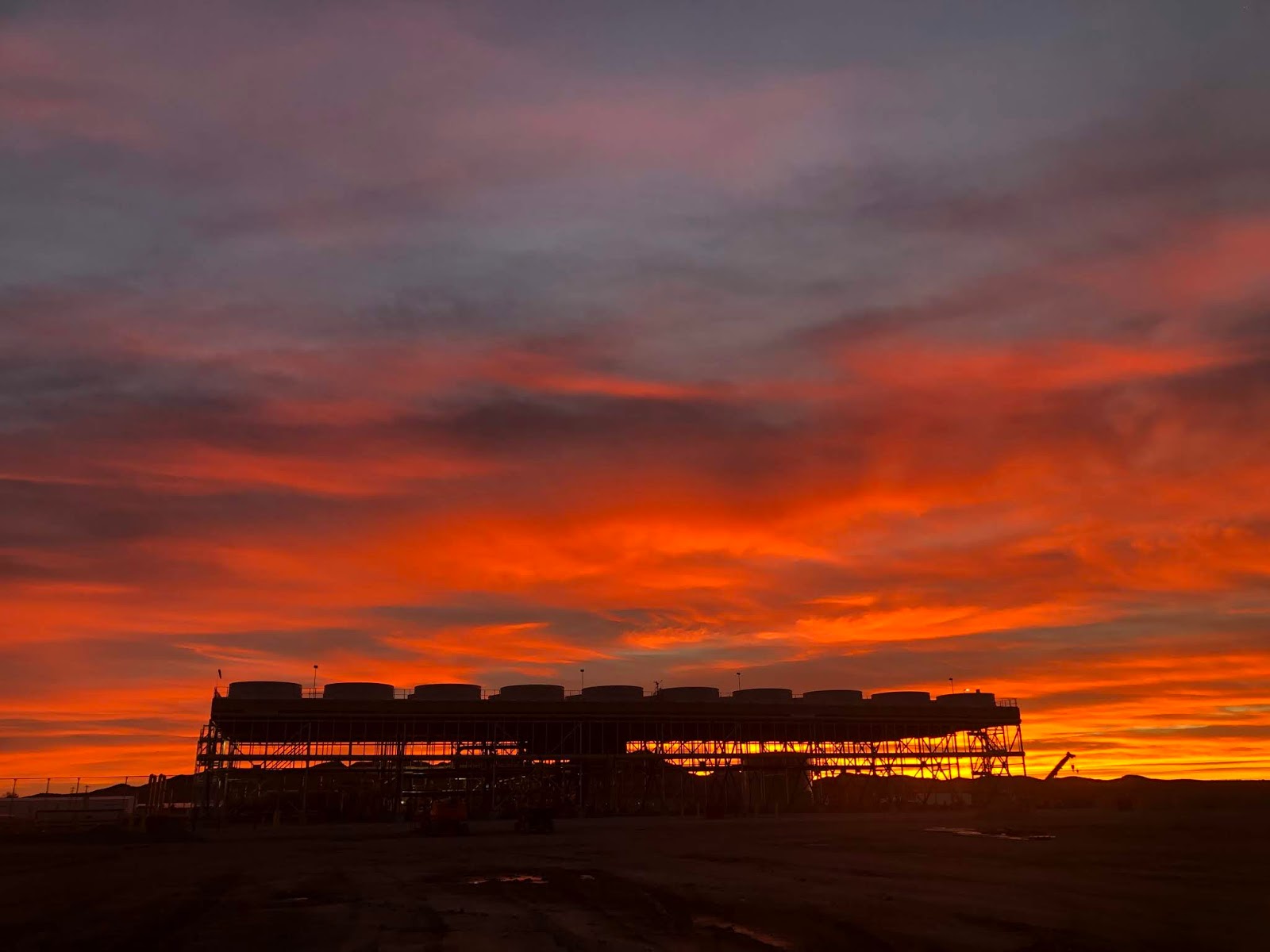
Lightning Dock is a Geothermal plant located in the Animas Valley of southwest New Mexico, in Hidalgo County.

In 2013, a first 4 MWe plant was manufactured to deliver electricity to Public Service Company of New Mexico, with plans to further enlarge it to 10 MW. However, due to performance difficulties related to availability and efficiency of the existing plant, the second phase of the development was never completed. In 2017 Lightning Dock Geothermal – a company that belongs to Cyrq Energy – chooses Turboden as geothermal solutions provider to design and supply a new plant, more efficient, that can guarantee the awaited results.

The solution of a single axial turbine proposed by Turboden allows to increase the nominal output to 13.7 MWe and off design up to 15.2 MWe.

The plant is in operation from the end of 2018 and here below you can find the related GRC Bulletin article.

USA, Nevada: Public Scoping Begins for Proposed 40 MW San Emidio II – North Valley Geothermal Project

Comments Invited on Environmental Assessment for San Emidio II – North Valley Geothermal Project (BLM)

Ref: DOI-BLM-NV-W030-2020-0003-EA (San Emidio II – North Valley Geothermal)

The United States Department of Interior (DOI), Bureau of Land Management (BLM) Black Rock Field Office is preparing an environmental assessment (EA) in accordance with the National Environmental Policy Act.

Public Scoping begins January 6, 2020 and will close on February 10, 2020. More information is available in the Project Overview for Scoping document which is available below.

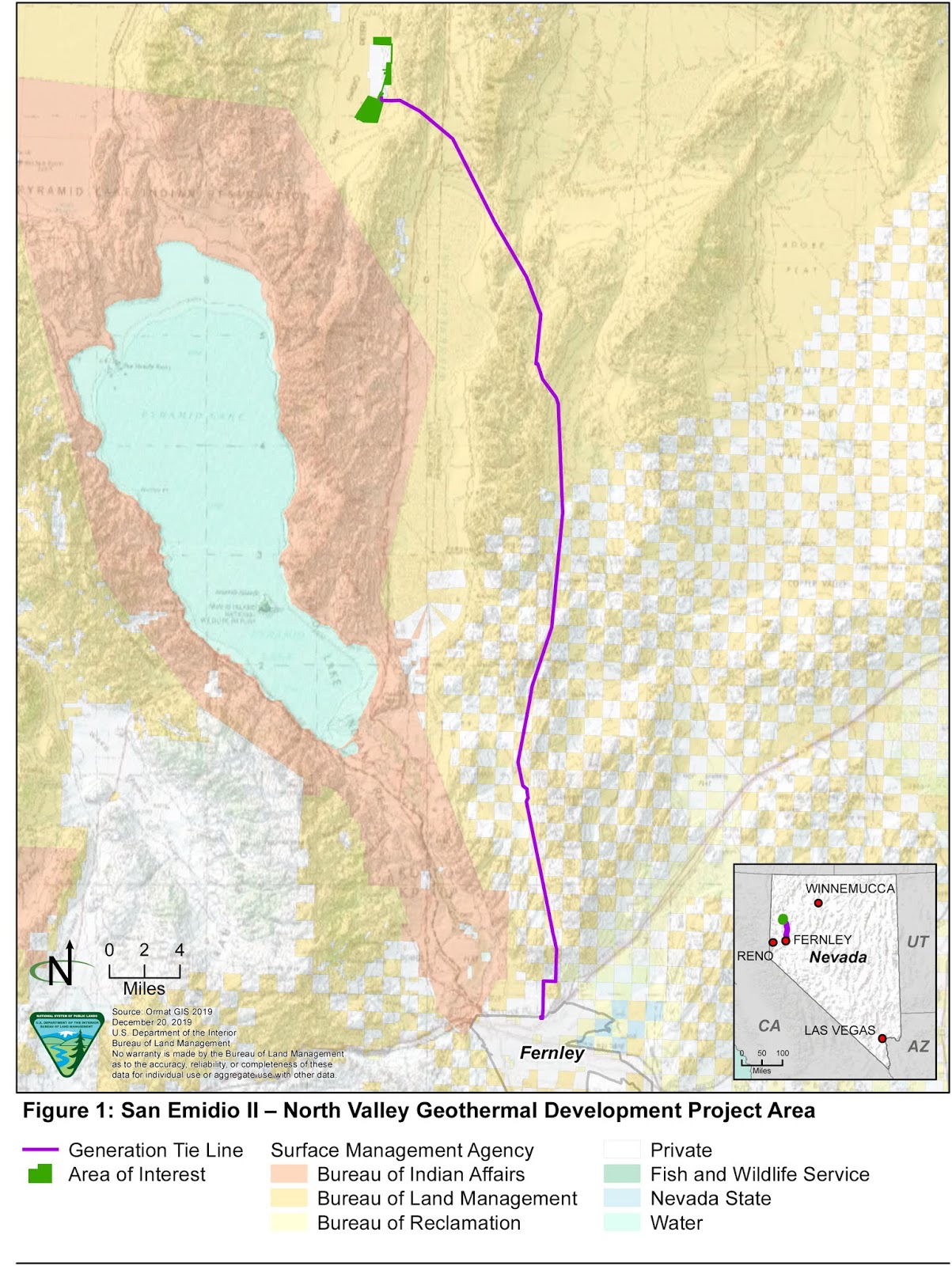
USG Nevada LLC, a subsidiary of Ormat Nevada, Inc. (collectively referred to as Ormat) is proposing the San Emidio II – North Valley Geothermal Development Project (Project), which includes two 20-megawatt closed-loop binary geothermal power plants, geothermal fluid production and injection wells and well pads, access roads, geothermal fluid pipelines, ancillary support facilities, and an overhead generation tie (gen-tie) powerline with associated facilities.

The Project proposes geothermal development in the San Emidio Geothermal Unit (SEGU; NVN-85820X), which encompasses approximately 20,400 acres of public lands managed by the BLM and private lands in Washoe County, Nevada.

The Public is invited to submit comments in writing on the proposal. Comments should be submitted by close of business on February 10, 2020, in order to be considered during development of the environmental assessment (EA).

Comments may be submitted using any of the following methods:

  • comment form 
  • email: blm_nv_wdo_sanemidioii@blm.gov with “San Emidio II UP/POD (Subia)” in the subject line
  • mail to Ms. Tai Subia at:

    Tai Subia, Project Lead
    BLM Winnemucca District Office
    5100 East Winnemucca Boulevard
    Winnemucca, Nevada 89445

From the Global Geothermal News archives:

Australia: White paper on Recent Developments and Future Potential of Geothermal Electricity Generation

Geothermal Electricity Generation in Australia: Recent Developments and Future Potential (AGA)

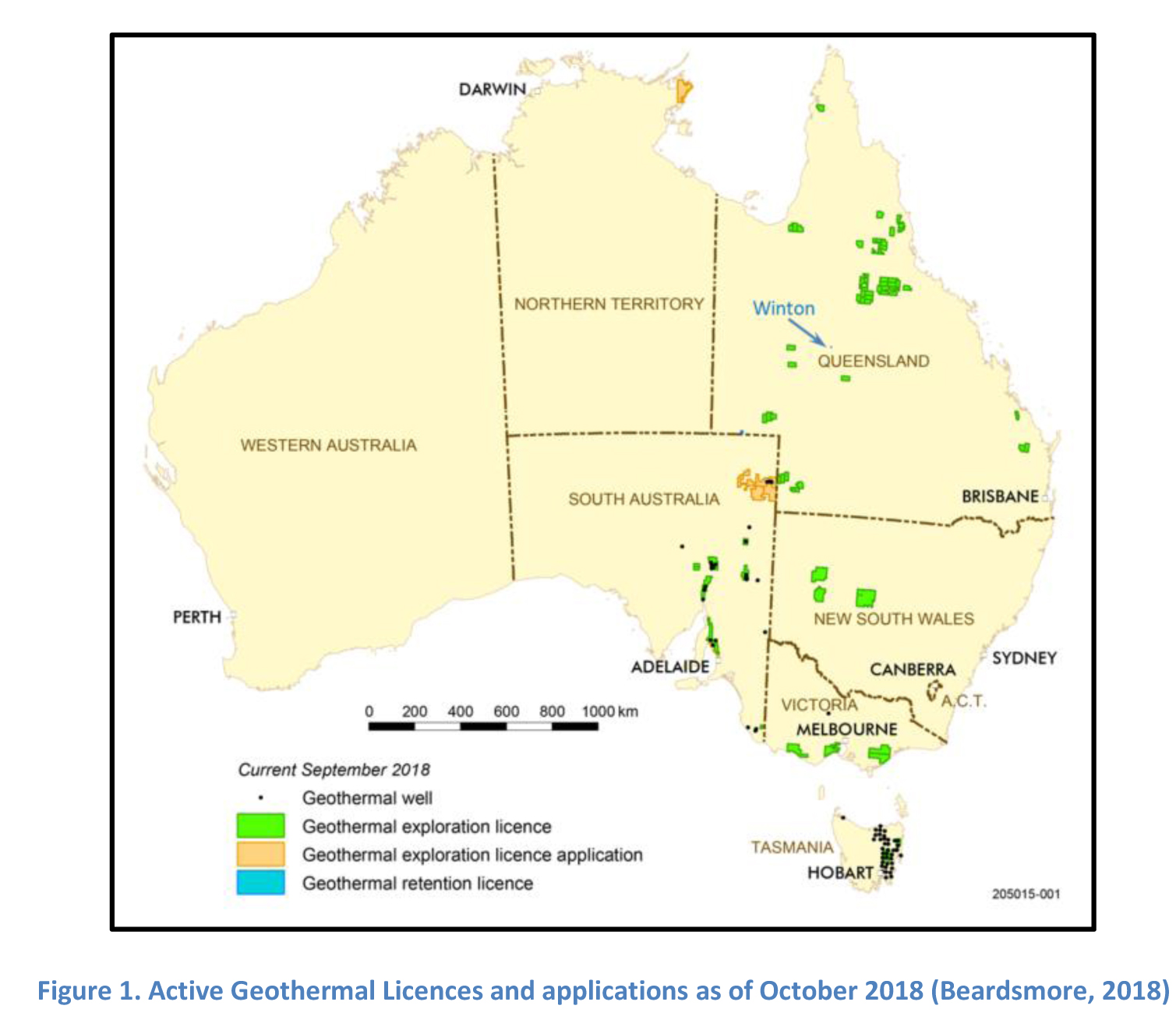
In December 2019, the Australian Geothermal Association (AGA) released a white paper on Geothermal Electricity Generation in Australia: Recent Developments and Future Potential. The Paper and two summaries are available below: one is a general public release and the other is directed to government and regulators.

The white paper addresses the current status and context of geothermal electricity generation in Australia, explores the trends in technology development in Australia and internationally and identifies the potential contribution that geothermally-generated electricity could make to Australia’s energy transition. It reviews the advantages that geothermal energy offers, outlines the challenges faced by the industry in realising the available potential and recommends some actions that can be taken to address these challenges.

Uganda: Kibiro Hot Springs Geothermal Project Needs to Overcome Local Opposition

Bunyoro Kingdom opposes planned geothermal project at Kibiro springs (The Independent)

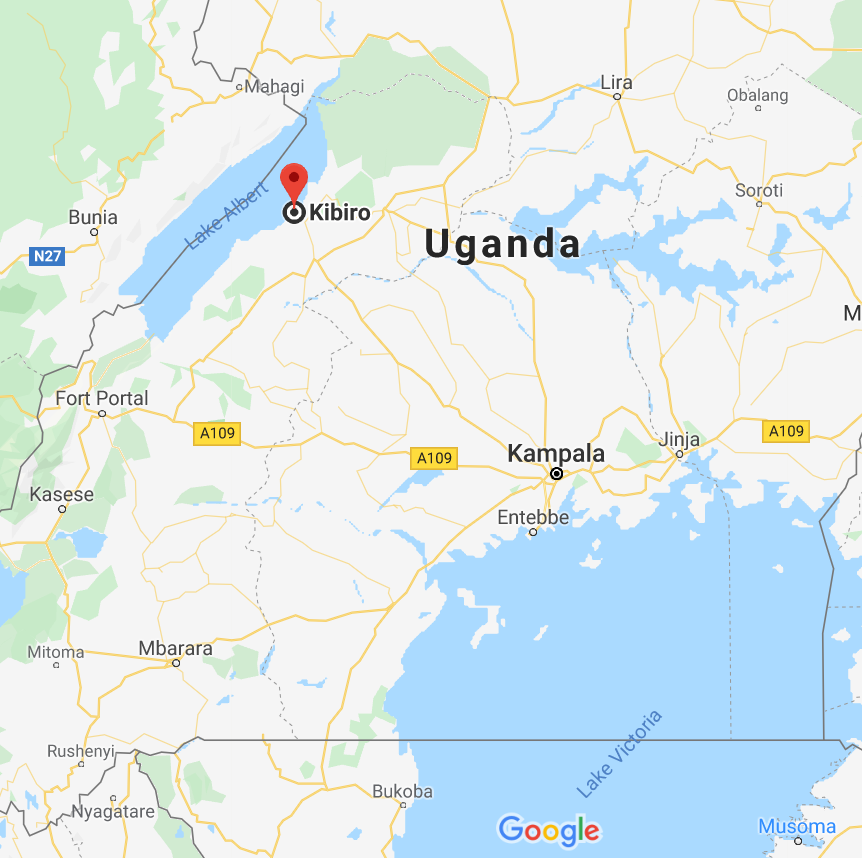
The Bunyoro Kingdom has opposed a government proposal to establish a geothermal electricity project at Kibiro hot springs in Hoima district. The hot springs, located 35-kilometres North of Hoima town in Kigorobya sub county, form a water stream that meanders into Lake Albert.

The water at the springs is always boiling at 100 degrees and is often used by locals to boil eggs and food like potatoes, cassava and green bananas. It has also been found to contain varying amounts of minerals and chemicals with medicinal value, among them, sodium chloride, potassium chloride, lithium sulphate, calcium sulphate, calcium phosphate, and magnesium chloride.

Last year, the government awarded a 2.3 billion shillings contract to Royal Techno Industries Limited, to drill 16 temperature gradient holes, eight in Kibiro and the rest in Panyimur in Nebbi district to exploit an estimated 1,500 MW of geothermal electricity. According to the government, the project is likely to commence this month and take about two months.

The findings from the gradient wells will help determine the locations for deep exploration wells that will be drilled at a later stage, as part of a project funded by the Geothermal Risk Mitigation Facility of the African Union Commission and German development bank KfW.

But according to the Kingdom officials, the project is likely to destroy the site’s ecosystem and frustrate plans to elevate the springs to a United Nations Educational, Scientific and Cultural Organisation-UNESCO heritage site.

Read More……….

From the Global Geothermal News archives:

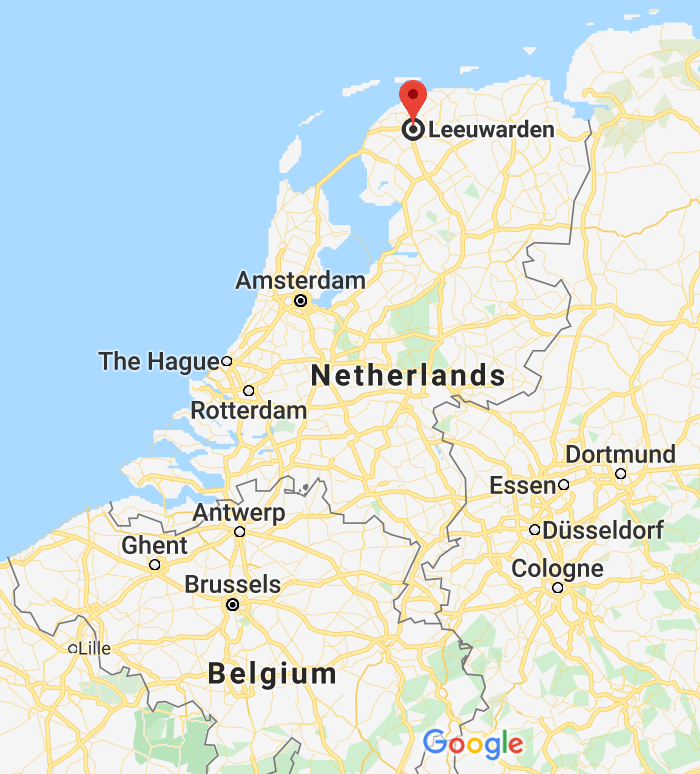
Netherlands: Big Oil Company Joins Geothermal District Heating Project

EBN en Shell treden toe tot aardwarmteproject Leeuwarden – EBN and Shell join the Leeuwarden geothermal heat project (News Release)

Energie Beheer Nederland (EBN) en Shell treden toe tot het consortium Warmte van Leeuwarden om het bestaande aardwarmteproject in Leeuwarden verder te helpen realiseren. Het project zal een belangrijke bijdrage leveren aan de verduurzaming van de warmtevraag van Leeuwarden.

(From Google Translate) Energie Beheer Nederland (EBN) and Shell are joining the Warmte van Leeuwarden consortium to help further realize the existing geothermal heat project in Leeuwarden. The project will make an important contribution to making Leeuwarden’s heat demand more sustainable.

Shell ziet in Nederland goede kansen voor het inzetten van aardwarmte voor de verduurzaming van de warmtevoorziening. Shell Geothermie heeft kennis en expertise van de ondergrond, de winning van energie en het realiseren van grote projecten. Met aardwarmteprojecten zoals in Leeuwarden wil Shell een bijdrage leveren aan de Nederlandse energietransitie.

Shell sees good opportunities in the Netherlands for the use of geothermal energy to make its heat supply more sustainable. Shell Geothermal has knowledge and expertise of the subsurface, the extraction of energy and the realization of large projects. With geothermal heat projects like in Leeuwarden, Shell wants to contribute to the Dutch energy transition.
Lees verder……….                            Read More……….

Climate Change: Large-Scale Fuel Substitution (to Decarbonized Electricity and Other Zero-Carbon Fuels) is Required to Meet Emission Targets

Preliminary US Emissions Estimates for 2019 (Rhodium)

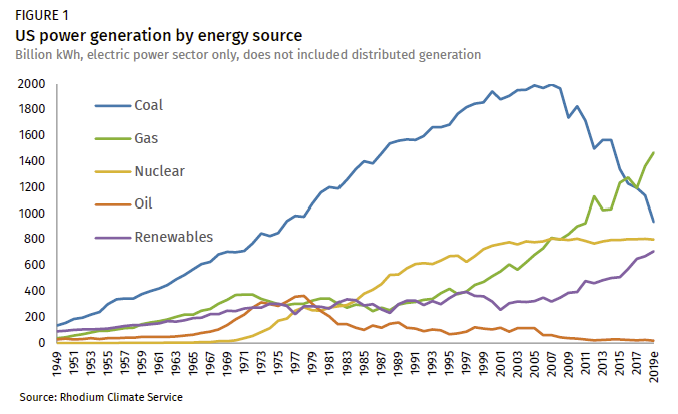
After a sharp uptick in 2018, we estimate that US greenhouse gas (GHG) emissions fell by 2.1% last year based on preliminary energy and economic data. This decline was due almost entirely to a drop in coal consumption. Coal-fired power generation fell by a record 18% year-on-year to its lowest level since 1975.

An increase in natural gas generation offset some of the climate gains from this coal decline, but overall power sector emissions still decreased by almost 10%.

Unfortunately, far less progress was made in other sectors of the economy. Transportation emissions remained relatively flat. Emissions from buildings, industry and other parts of the economy rose, though less than in 2018. All told, net US GHG emissions ended 2019 slightly higher than at the end of 2016. At roughly 12% below 2005 levels, the US is at risk of missing its Copenhagen Accord target of a 17% reduction by the end of 2020, and is still a long way off from the 26-28% reduction by 2025 pledged under the Paris Agreement.

Renewables played an important role as well thanks in part to continued cost declines in both wind and solar generation. Based on preliminary data from EIA and Genscape, utility-scale renewable generation (including hydro) was up 6% in 2019. That’s higher than the 3% gain in 2018, but lower than the 13% gains posted in 2016 and 2017.

Beyond the year-to-year fluctuations in weather and economic growth, it’s clear that US decarbonization success is still largely limited to the 27% of net emissions that come from the power sector. Improvements in vehicle, lighting, and appliance efficiency have been successful in slowing the pace of emissions growth in transportation and buildings (and perhaps even halting it in transportation), but it will require much more than efficiency to achieve meaningful absolute declines. Large-scale fuel substitution (to decarbonized electricity and other zero-carbon fuels) will be required. States have some ability to drive this in absence of federal policy action.

Read More………

Tom Koch: Euthanasia is legal in Canada but that doesn’t make it ethical.

Alex Schadenberg
Executive Director, Euthanasia Prevention Coalition

The Delta Hospice Society in BC was recently told by Adrian dix, the BC Minister of Health, that they must start doing euthanasia by February 3 or loss provincial funding. In response to this dilemma Dr Tom Koch, a consulting medical ethicist and gerontologist and author of the book Ethics in Everyday Places, wrote an opinion article that was published in the Globe and Mail on January 6.

Koch begins:

Because something is legal doesn’t mean it is ethically acceptable or, in medicine, clinically appropriate. The debate swirling over the Delta Hospice Society’s refusal of medical termination, “medical aid in dying” (MAID), in its beds is an example.

Diagnosed with terminal cancer, Clint Gossard, 59, hoped for a bed at the society’s 10-bed Irene Thomas Hospice in Delta, B.C. But he also wanted what they refuse to permit: medical aid in dying. For that, he had to go to Delta Hospital where his life was ended last January.

His widow and MAID advocates found that unacceptable. As a result, B.C. Minister of Health Adrian Dix has threatened the society’s funding if they don’t permit medical termination on their premises. Hospices I know elsewhere are similarly under pressure.

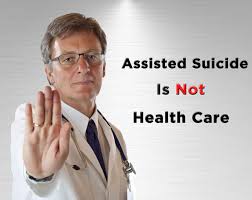
Koch explains that assisted dying is not part of hospice or palliative care. He writes: 

Speaking for the Delta Hospice Society, its founder and former director, Nancy Macey, argued not only that MAID violates the hospice’s constitution but the goals of palliative and hospice care. The society’s position is shared by many including those, like me, who are at best agnostic. Instead, it follows the guidelines in this area.

In November, 2019, for example, the Canadian Hospice Palliative Care Association (CHPCA) and the Canadian Association of Palliative Care Physicians (CAPCP) issued a joint statement stating categorically that “National and international hospice palliative care organizations are unified in the position that MAID is not part of the practice of hospice palliative care.”
Medical aid in dying, they argued, is not an “extension of palliative care” but a violation of hospice and palliative medical goals of care.

Koch goes on to explain that good palliative care is not a simple process:

In its focus on the best of life to the end of life, hospice practice requires an understanding not only of clinical but also psychological needs. I have several times been engaged in discussions with those who wanted to die because of problems, clinical, personal or social, that were then addressed by palliative caregivers. In these cases, “I want to die” was really “I need help with this.”

A simple “it’s your choice” removes our opportunity to find and provide the necessities of an acceptable life to the end of a patient’s days. It replaces complexity with a simple, “Well, they wanted it” even where the reasons for wanting could be palliated.

Koch concludes by stating that he believes that Mr. Dix’s threat seems to violate the spirit if not the letter of enabling federal legislation that assured the rights of practitioner conscience would be protected.
Swiss prisoner convicted of child rape is being considered for assisted suicide.

Alex Schadenberg
Executive Director – Euthanasia Prevention Coalition

Peter Vogt

A Swiss prisoner convicted of sexual assault and rape of girls and woman ranging in age from 10 to 56 is being considered for death by assisted suicide.

An AFP news article by Agnès Pedrero reported that Peter Vogt (69) who has been diagnosed with several psychological disorders and reportedly lives with health issues related to his kidney and heart, contacted the assisted suicide group Exit, and is being considered for assisted suicide. Vogt has been declared a dangerous offender and is unlikely to be released from prison.

Pedrero reported that Vogt responded to his questions by writing:

“It is natural that one would rather commit suicide than be buried alive for years to come” 

“It would be better to be dead than to be left to vegetate behind these walls”

Switzerland outlawed capital punishment in 1942.

Pedrero reported that the Swiss Centre of Expertise in Prison and Probation Foundation studied the issue and responded by supporting assisted suicide for prisoners.

According to Pedrero, Barbara Rohner, lead author of the foundation’s report, stated:

assisted suicide rights should apply to prisoners under certain conditions, noting that in cases of mental illness two independent specialists should be consulted. 

Any detainee possessing discernment should, in principle, have assisted suicide rights if they have “a physical or mental illness resulting in unbearable suffering,”

The foundation also recommended that authorities responsible for the prisoner’s welfare must ensure the suicide request is not the result of a short-term emotional crisis.

Vogt told Pedrero that his “quality of life” is unbearable:

Vogt insisted that he wanted to die because of the “unbearable” deterioration in his quality of life, along with the fact that he can no longer see his gravely ill mother, who lives in Austria.

Vogt may be the first Swiss prisoner to request death by assisted suicide but his request is leading to more prisoners requests.

Once a society accepts that killing is an acceptable response to human difficulties, then killing will become acceptable for other forms of human difficulty.

Design a site like this with WordPress.com
Get started