In December 2017, Pearse Redmond and I finally managed to record a new episode of Porkins Great Game. We start off by explaining why we want to take the show in a new direction, focusing more on the Eurasian rimlands and less on Central Asia and the Caucasus region. This brings us to the 2016 book “The Unquiet Frontier” by Aaron Wess Mitchell and Jakub Grygiel who both joined the State Department in 2017 after President Trump picked Mitchell as Assistant Secretary of State for European and Eurasian Affairs. Pearse and I consider the question of whether Mitchell and Grygiel have influenced the foreign policy of the Trump administration and what we can learn from “The Unquiet Frontier”.
Our second segment deals with the recent assassinations of Chechen “freedom fighters” in Ukraine. We focus on the case of Timur Makhauri who led a mysterious life in Chechnya, Georgia, Turkey and Syria before he was eventually blown up in the heart of Kiev.
Pearse and I finish off the episode with our favorite stateless fugitive Mikheil Saakashvili and his latest antics in Ukraine.
The ‘Rimland Imperative’: How Trump’s Chief Diplomat for European-Eurasian Affairs Wants to Counter Russia, China & Iran
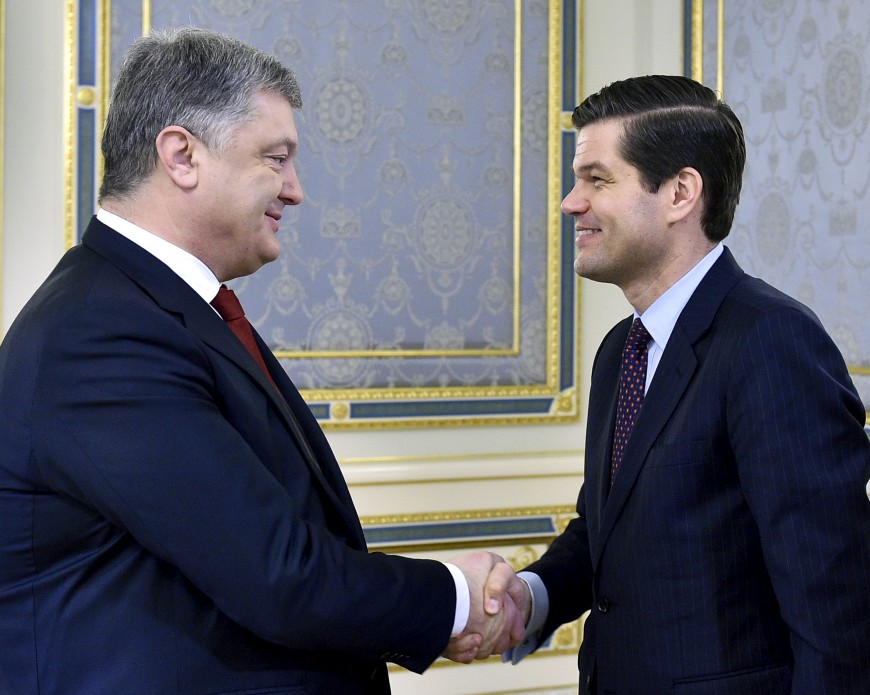
Since his appointment as U.S. Assistant Secretary of State for European and Eurasian Affairs, Aaron Wess Mitchell has mostly stayed out of the spotlight but his geopolitical views are already having a profound impact on U.S. foreign policy, as illustrated by the Trump administration’s newly released National Security Strategy and the decision to provide lethal weapons to Ukraine.
One week before U.S. President Trump unveiled the 2017 National Security Strategy (NSS), his National Security Advisor Lt. Gen. H.R. McMaster gave a preview of the strategy at an event hosted by the British think tank Policy Exchange in Washington.
McMaster disclosed that the Trump administration views Russia and China as “revisionist powers” which “are undermining the international order and stability” and “ignoring the sovereign rights of their neighbors and the rule of law.”
“Geopolitics are back, and back with a vengeance, after this holiday from history we took in the so-called post-Cold War period,” McMaster emphasized.[1]
Read the full article on Newsbud
Merkel’s Tenuous Pact with America in the Age of Trump
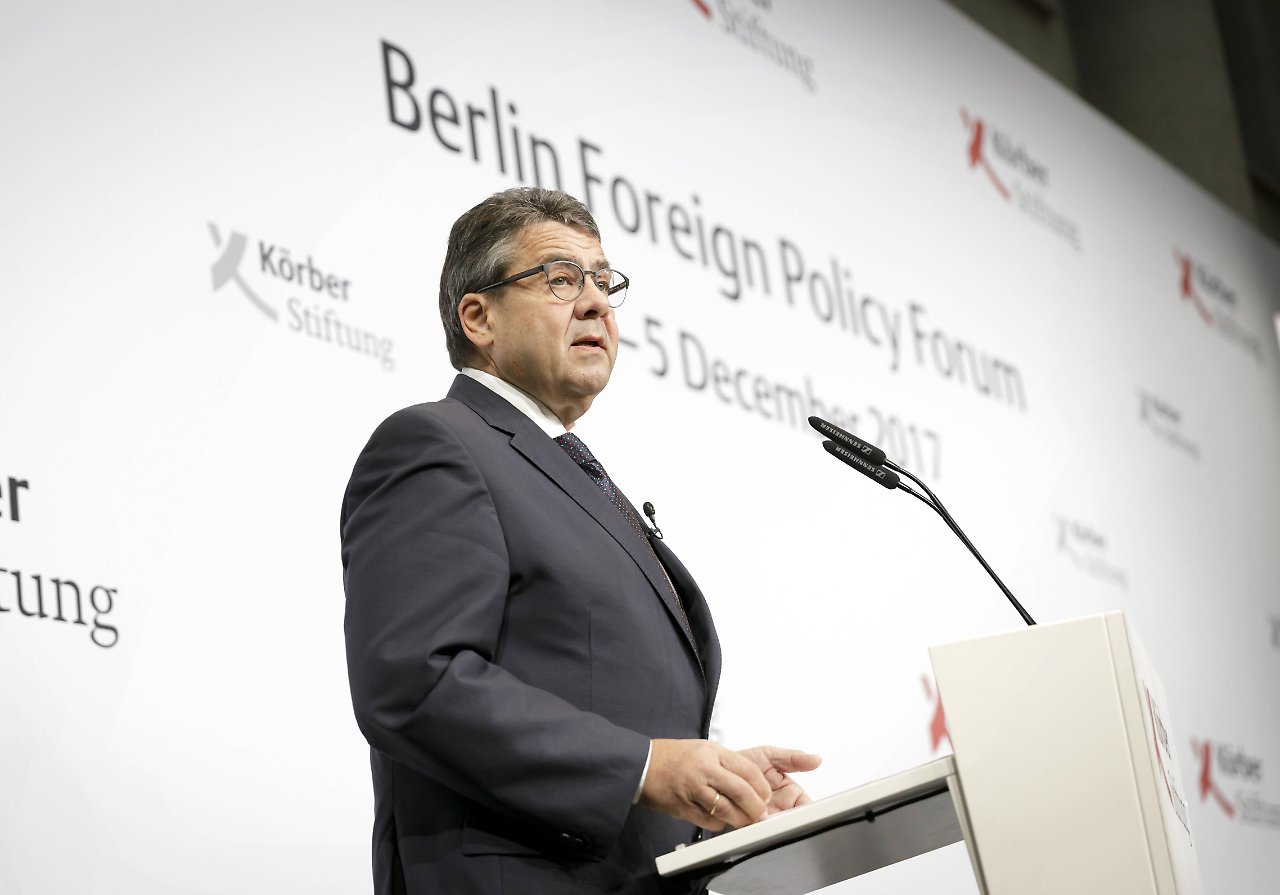
Upon taking office, German Chancellor Angela Merkel (CDU) decided to make “a pact with America the cornerstone of her foreign policy,” reorienting Germany away from Russia and back towards the United States.[1]
This pact has become increasingly tenuous after the election of Donald Trump as this year’s Berlin Foreign Policy Forum demonstrated.
The Berlin Foreign Policy Forum is an annual event hosted by the Körber Foundation in cooperation with Germany’s Federal Foreign Office, bringing together politicians, government representatives, foreign policy experts and journalists to discuss German foreign policy and Germany’s role in the world.[2]
German Foreign Minister Sigmar Gabriel (SPD) opened this year’s forum with an unprecedented attack on Merkel’s pact with America, telling the audience: “Germany cannot afford to wait for decisions from Washington, or to merely react to them. We must lay out our own position and make clear to our allies where the limits of our solidarity are reached.”[3]
Read the full article on Newsbud
This article was published on December 7, but I forgot to share it here.
Germany Protects Gülen Movement from Erdogan
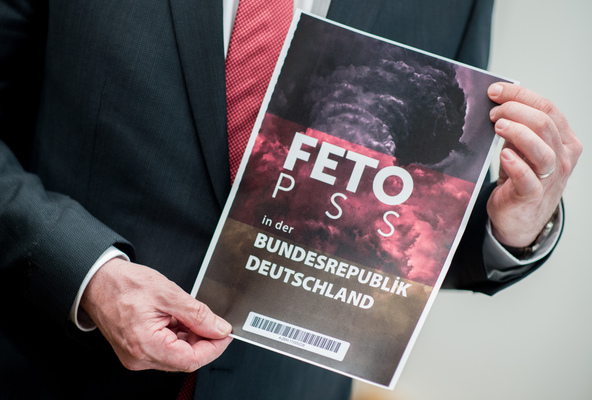
German-Turkish relations keep plummeting as Berlin and Ankara argue over the threat posed by U.S.-based Turkish preacher Fethullah Gülen and his movement, but there is more to the latest dispute than meets the eye.
In recent weeks, tensions have been running high between Germany and Turkey due to Turkish President Recep Tayyip Erdogan’s referendum campaign. Disagreements over the Gülen movement are now adding fuel to the fire.
On March 27, as Turkish citizens living in Germany began casting their ballots in Turkey’s constitutional referendum, German media dropped a bombshell.
Read the full article on Newsbud
Merkel’s Message to US: NATO is not ‘Obsolete’ – and neither is the Russian Boogeyman
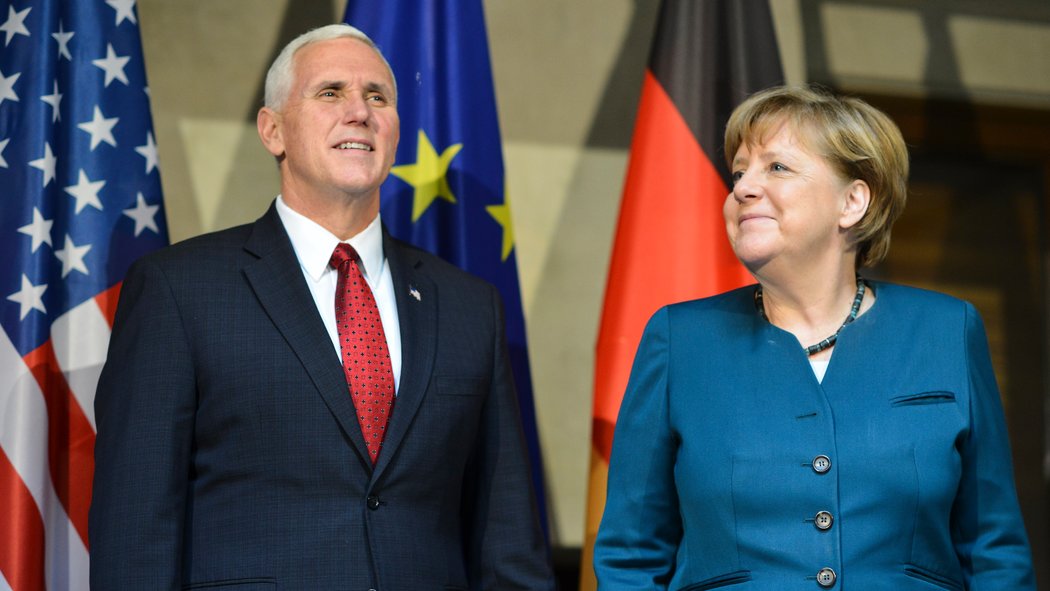
German Chancellor Angela Merkel and Defense Minister Ursula von der Leyen used the 53rd Munich Security Conference to send a message to the new U.S. administration: NATO is not “obsolete” – and neither is the Russian boogeyman!
“There can be no policy of equidistance between allies on one side and those who on the other question our borders, our values and the principles of international law,” Defense Minister von der Leyen said to applause at the Munich Security Conference.
Read the full article on Newsbud
The New Great Game Round-Up: January 18, 2016
The Great Game Round-Up brings you the latest newsworthy developments regarding Central Asia and the Caucasus region. We document the struggle for influence, power, hegemony and profits between a U.S.-dominated NATO, its GCC proxies, Russia, China and other regional players.
Georgia's Main Opposition Party Splits but the Drama Ain't Over
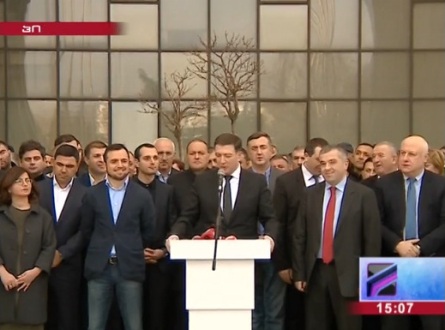 Georgia's largest opposition party, the United National Movement (UNM), has split amid disagreements over the role of UNM leader and former President Mikheil Saakashvili, who gave up his Georgian citizenship for a new political career in Ukraine.
Leading UNM members who regard Saakashvili as a liability announced last week that they would leave the party and start a new political movement to challenge the Georgian Dream government.
Read more
The Anis Amri Timeline: How German Authorities Allowed a Well-Known Terrorist Suspect to Strike Berlin
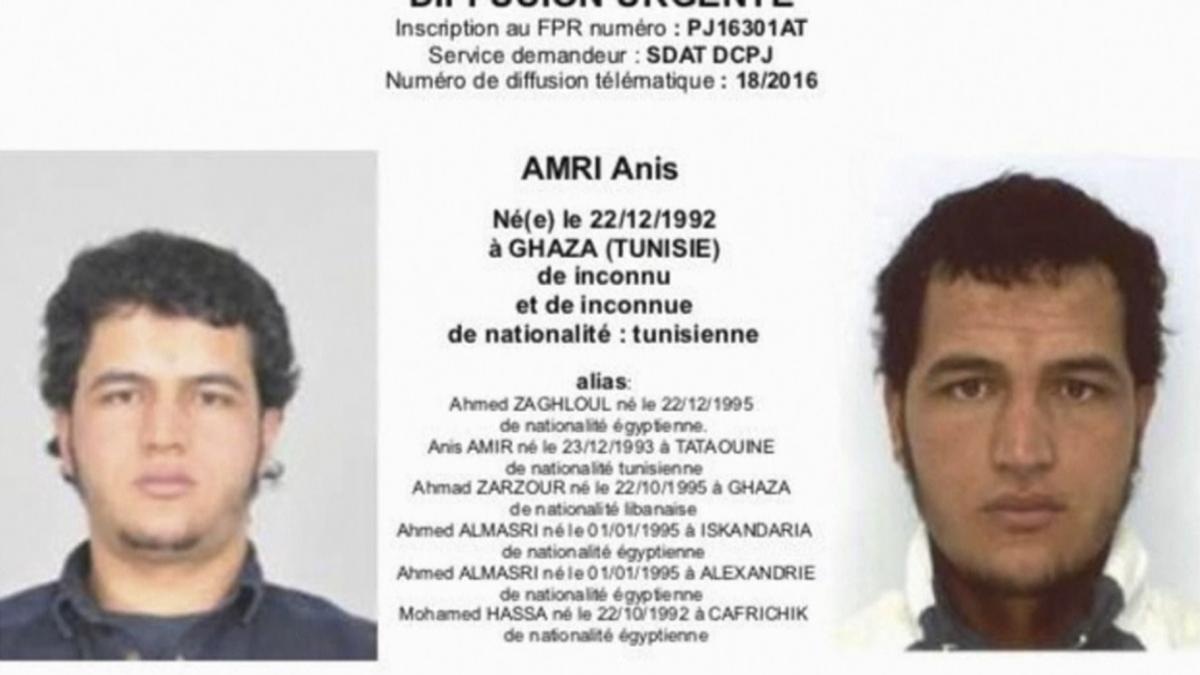
As more details emerge about last month’s Berlin Christmas market attack, German authorities are struggling to explain why they failed to prevent the attack despite knowing full well that Anis Amri was a ticking time bomb.
“The attack was carried out by a man whom security officials across Germany were very well aware of,” North Rhine-Westphalia’s Interior Minister Ralf Jäger acknowledged at a January 5 meeting of the state’s parliamentary interior committee in Düsseldorf.[1]
Read the full article on Newsbud
Socialite Neishaa Gharat Arrested In Delhi In Connection With Multi-Million Pound Fraud.
The well known London-based socialite and fashion designer Neishaa Gharat has been placed in police custody in New Delhi over an alleged multi-million pound fraud perpetrated involving her and members of her family.
Mrs Gharat – who runs the ‘House of Gharats’ design consultancy – was arrested by police at Delhi International Airport on Tuesday the 3rd Jan after flying in from London.
The arrest followed a “Look Out Notice” for her and her dentist husband Pretam after claims by a British-Indian businessman Rajesh Tailor that he was swindled out of funds totalling more than £2.3 million over a 7-year period by Pavan Kulavoor, younger brother of Mrs Neishaa Gharat.
Sources tell The UKAsian that Mrs Gharat had flown to New Delhi under the misguided belief that the Look Out Notice was only applicable at Mumbai airport and not nationwide in India.
It is also believed that she was travelling to India on urgent business after securing funding from the Arts Council of England for an arts project linking London and Kolkata.
Mrs Gharat has been sent to Delhi’s infamous Tihar jail and is expected to be taken to Mumbai by Maharashtra Police on the 7th Jan where she will make an application for bail.
Her passport has been confiscated while the Look Out Notice remains in place for her husband, according to police officials.
Ms Gharat faces forgery charges under Section 467 of the Indian Penal Code. If found guilty she could face life imprisonment.
Following the lawsuit filed by Mr Tailor, Ms Gharat’s brother Pavan, 38, was arrested in July and charged with a string of offences, including forgery, criminal conspiracy and criminal intimidation.
The Gharats – along with Pavan and Neisha’s uncle Mohammed Ibrahim – were named as co-conspirators in the lawsuit.
Mrs Gharat was reportedly a shareholder and director of the companies established by Pavan Kulavoor for the alleged scam.
The New Great Game Round-Up: December 14, 2016
The Great Game Round-Up brings you the latest newsworthy developments regarding Central Asia and the Caucasus region. We document the struggle for influence, power, hegemony and profits between a U.S.-dominated NATO, its GCC proxies, Russia, China and other regional players.
Russia Stepping Up its Game in Tajikistan to Counter Chinese Competition
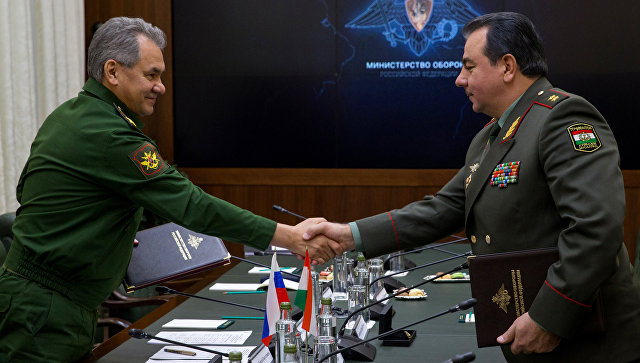
At the end of November, Russian Defense Minister Sergei Shoigu announced that Russia will supply Tajikistan with “large quantities” of military aircraft over the next year, indicating that China's growing influence in Tajikistan has not gone unnoticed in Moscow.
As defense ministers of the Commonwealth of Independent States (CIS) gathered in the Russian capital for a regular meeting, Shoigu and his Tajik counterpart Sherali Mirzo signed a defense cooperation plan for 2017.
Read more
The World’s Biggest Hostage Crisis Comes to an End
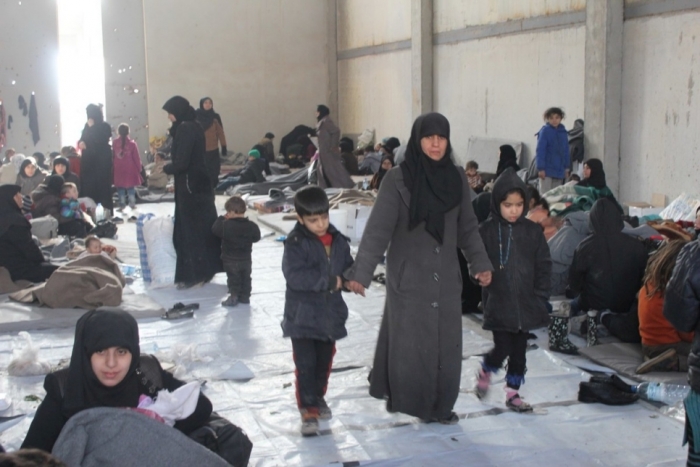
As Syrian government forces recapture more parts of eastern Aleppo, many civilians are risking their lives to flee the besieged opposition-controlled areas, telling the world that the so-called “rebels” stop at nothing to prevent people from leaving.
The Syrian government and its Russian allies have long accused armed opposition groups in Aleppo of holding civilians hostage, whereas western governments and media have been promoting a different narrative in tune with “rebel” and “activist” sources. This narrative is now falling apart.
Read the full article on NewsBud
 German News, German Breaking News, German Latest News