On this edition of Porkins Great Game, Pearse Redmond and I start off by looking at some recent developments in Georgia. We discuss the latest attempt by Ukrainian governor Mikheil Saakashvili to cause trouble in his home country and we talk about Georgia's plans to purchase gas from Russia and Iran. Afterwards, we move on to Syria. Pearse and I examine whether or not there is any truth to the claim that China is getting involved in Syria. After breaking down Beijing's concerns with regard to the increasing number of Uyghur jihadists in Syria, we discuss Turkey's motivations for shooting a down a Russian jet and Russia's response. Last but not least, our favorite segment of weird terrorism stories deals with claims that North Korea and the Dalai Lama are supporting ISIS. We close out this month's episode by touching upon the new media project that Sibel Edmonds is working on and that both of us will be a part of.
Paris Attacks: Western Intelligence’s Vision Blinded by Allah?
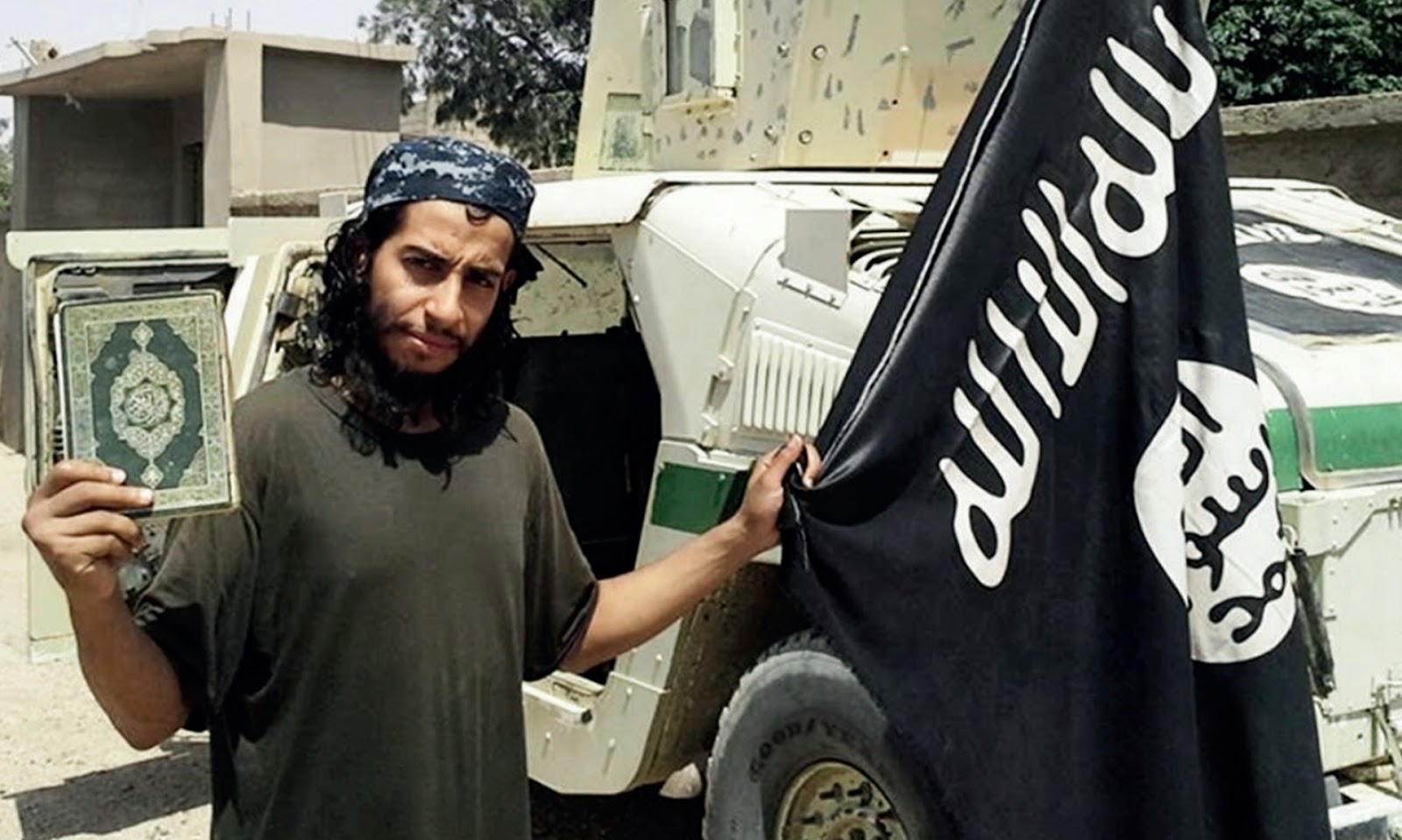
When the United States and Saudi Arabia decided to curb Iranian influence in the Middle East by embarking on a strategy that involved bolstering Sunni extremist forces, Prince Bandar bin Sultan and other Saudi officials told Washington not to worry about religious fundamentalists. Their message was plain and simple:
“We’ve created this movement, and we can control it. It’s not that we don’t want the Salafis to throw bombs; it’s who they throw them at—Hezbollah, Moqtada al-Sadr, Iran, and at the Syrians, if they continue to work with Hezbollah and Iran.”[1]
Read the full article on Boiling Frogs Post
“We’ve created this movement, and we can control it. It’s not that we don’t want the Salafis to throw bombs; it’s who they throw them at—Hezbollah, Moqtada al-Sadr, Iran, and at the Syrians, if they continue to work with Hezbollah and Iran.”[1]
– See more at: http://www.boilingfrogspost.com/2015/11/17/bfp-exclusive-paris-attacks-western-intelligences-vision-blinded-by-allah/#sthash.aOpqzunL.dpuf
– See more at: http://www.boilingfrogspost.com/2015/11/17/bfp-exclusive-paris-attacks-western-intelligences-vision-blinded-by-allah/#sthash.aOpqzunL.dpuf
Russia’s Syria Intervention Enrages US-led Coalition, ISIS & Al-Qaeda
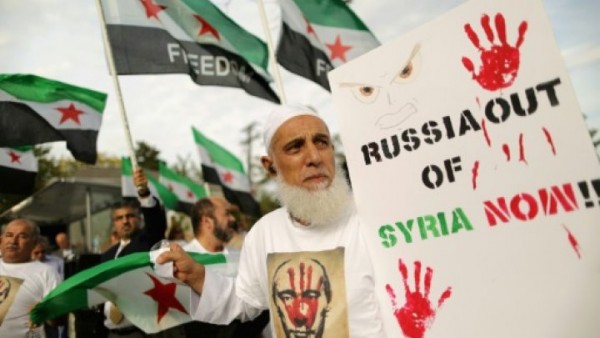
Russia’s intervention in Syria has whipped up feelings across the region and around the world. As soon as Russian aircraft began conducting airstrikes in Syria, Western media started complaining that Russia is bombing the wrong terrorists.[1]
After the Pentagon failed to find more than a few dozen “moderate rebels” for its much-publicized training program,[2] Russian bombs supposedly managed to find countless “moderate Syrian rebels” and U.S. officials suddenly remembered that the CIA has been running a much more effective training program than the Pentagon.[3]
Read the full article on Boiling Frogs Post
Georgia Now Wants Gas From Russia & Iran
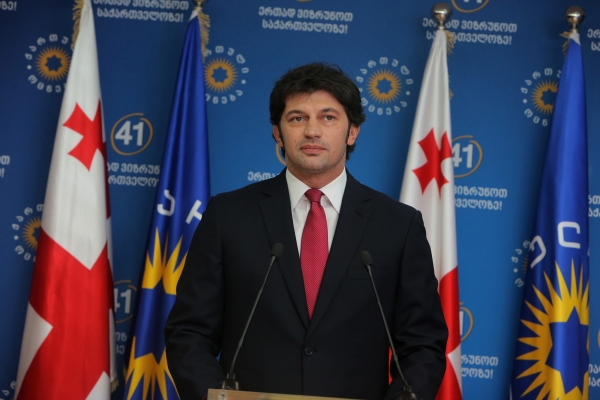
On September 25, Georgian footballer-turned-energy minister Kakha Kaladze met with Gazprom’s Chief Executive Officer Alexei Miller in Brussels to discuss Russian gas supplies to Georgia and the transit of Russian gas to Armenia. Understandably, the meeting raised a few eyebrows.
Two weeks later, Kaladze shocked the West and neighboring Azerbaijan, when he announced that Georgia is not only planning to purchase additional supplies from Russia but also from Iran.
Read the full article on Russia Insider
The New Great Game Round-Up #113
The Great Game Round-Up brings you the latest newsworthy developments regarding Central Asia and the Caucasus region. We document the struggle for influence, power, hegemony and profits between a U.S.-dominated NATO, its GCC proxies, Russia, China and other regional players.
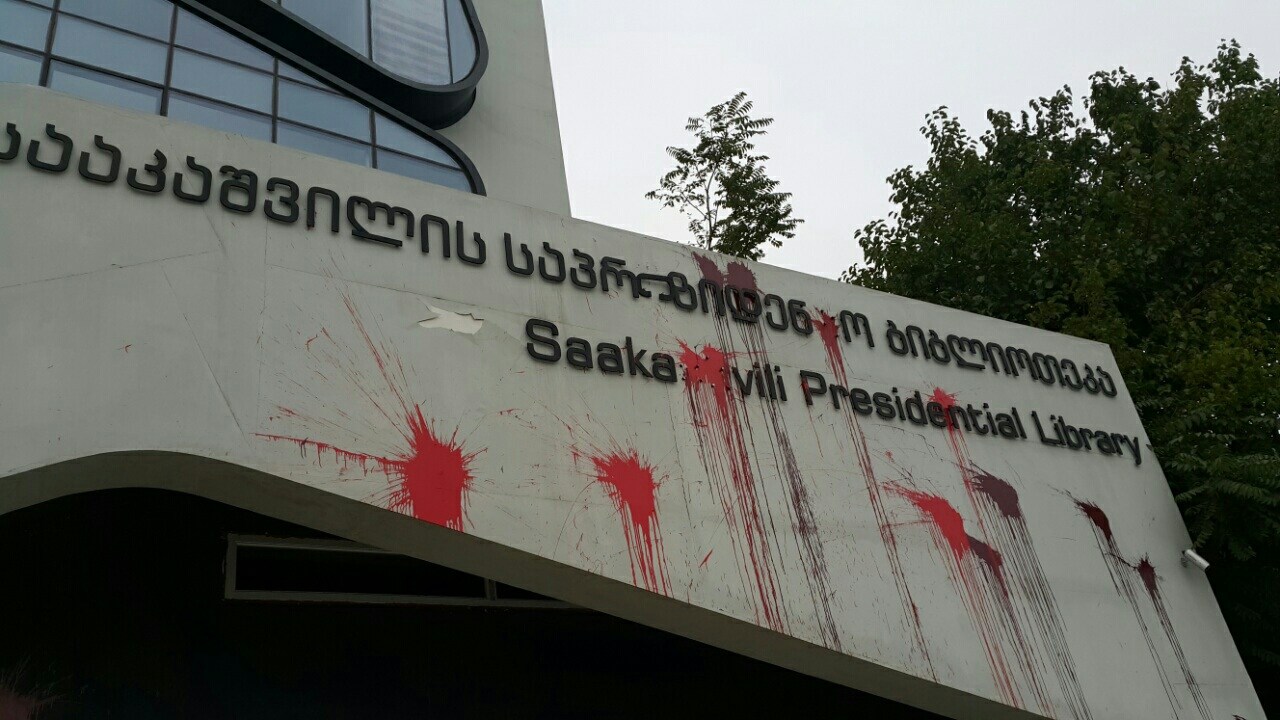
Former Georgian Prime Minister Bidzina Ivanishvili and his nemesis Mikheil Saakashvili have left Georgian politics some time ago, one more voluntarily than the other, but the conflict between Ivanishvili's Georgian Dream and Saakashvili's United National Movement (UNM) continues to shape the country's political landscape to this day. In an effort to curtail the UNM's influence in the media, the Georgian Dream-led government is currently trying to shut down the influential pro-UNM private TV broadcaster Rustavi 2. This amounts to a declaration of war from the UNM's point of view. The Saakashvili party responded by calling for the resignation of the government and snap elections, to no avail. After Tbilisi's flirt with Gazprom added more fuel to the fire, the exchange of blows then escalated into all-out war a few days ago, when another Saakashvili-era rape video found its way onto the Internet:
UNM regional offices assaulted amid rape video scandal
United National Movement’s several regional offices were attacked in Georgia on Monday, in the wake of publication of disgusting video depicting rape of a detainee allegedly during the previous government.
Small crowds of 30 to 100 protested at Kutaisi, Batumi, Gori, and Ozurgeti offices demanding to ban the UNM. In several occasions a violent squabble happened between the protesters and UNM members. In Kutaisi protesters broke into the office but police managed to drive them out.
The UNM, former ruling party and currently the main opposition power, claims the protests have been masterminded by the authorities, as many members of the local authorities and local offices of the ruling Georgian Dream were present during the rallies.
“These groups have been mobilized by the authorities, which try to mitigate outrage for its attempts to seize Rustavi 2 (TV),” Nugzar Tsiklauri, MP, said to journalists.
 |
| © Photo Transparency International Georgia |
The New Great Game Round-Up #112
The Great Game Round-Up brings you the latest newsworthy developments regarding Central Asia and the Caucasus region. We document the struggle for influence, power, hegemony and profits between a U.S.-dominated NATO, its GCC proxies, Russia, China and other regional players.
Islamabad's recent offer to bring the Taliban to the negotiation table for renewed peace talks with the Afghan government is just one example of Pakistan's influence over the Taliban movement in general and its new leader Mullah Akhtar Mansoor in particular. According to some Taliban sources, Pakistan is now taking a two-pronged approach in dealing with the movement. On the one hand, the Pakistani authorities are backing Mansoor and negotiations with Kabul but, on the other hand, they are also supporting the hawkish anti-Mansoor faction in order to keep the new supremo in check and continue the fight in Afghanistan. A senior Afghan intelligence official confirmed this, pointing out that Pakistan recently helped Mansoor's rival Abdul Qayyum “Zakir” launch large-scale offensives in the south of the country, which prompted Mansoor to offer Zakir to become his first deputy or Taliban shadow defense minister. Against this backdrop, it is interesting to note that the United States is now implicating Pakistani intelligence in the Taliban's takeover of Kunduz as well:
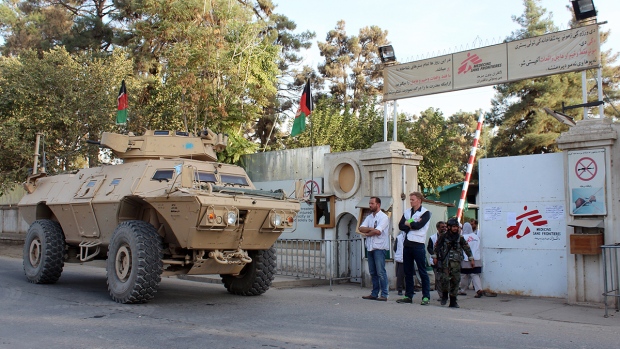
APNewsBreak: US analysts knew Afghan site was hospital
American special operations analysts were gathering intelligence on an Afghan hospital days before it was destroyed by a U.S. military attack because they believed it was being used by a Pakistani operative to coordinate Taliban activity, The Associated Press has learned.
The special operations analysts had assembled a dossier that included maps with the hospital circled, along with indications that intelligence agencies were tracking the location of the Pakistani operative and activity reports based on overhead surveillance, according to a former intelligence official who is familiar with some of the documents describing the site. The intelligence suggested the hospital was being used as a Taliban command and control center and may have housed heavy weapons.
After the attack — which came amidst a battle to retake the northern Afghan city of Kunduz from the Taliban — some U.S. analysts assessed that the strike had been justified, the former officer says. They concluded that the Pakistani, believed to have been working for his country's Inter-Service Intelligence directorate, had been killed.
 |
| © Photo Najim Rahim/AP |
The New Great Game Round-Up #111
The Great Game Round-Up brings you the latest newsworthy developments regarding Central Asia and the Caucasus region. We document the struggle for influence, power, hegemony and profits between a U.S.-dominated NATO, its GCC proxies, Russia, China and other regional players.
New Taliban leader Mullah Akhtar Mansoor faced a lot of opposition within the movement, when he officially took over from Mullah Omar two months ago. Several leading Taliban commanders decided to go their own ways and Mullah Omar's family only reluctantly endorsed the new supremo. Despite all that, the Taliban have stepped up their game in the first few weeks of Mansoor's reign, dashing Kabul's hopes that the confirmation of Mullah Omar's death would weaken the group. It seems like an eternity ago that Kabul and the Taliban were holding peace talks to stop the fighting. At the end of July, the two sides were about to meet in Pakistan for the second round of talks when Afghan intelligence leaked Omar's death to the press, thereby unleashing a new wave of violence. After the Taliban demonstrated their power in Kunduz, Pakistan renewed its offer to restart the talks and Prime Minister Nawaz Sharif reminded his Afghan colleagues that they should have kept their mouths shut:
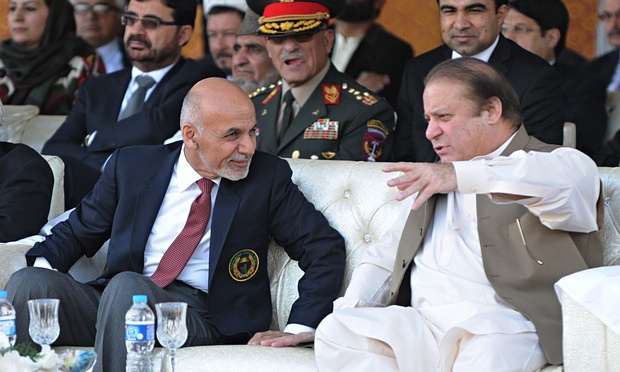
Pakistani PM Nawaz Sharif says working for revival of Afghan peace talks
The Pakistani Prime Minister Nawaz Sharif has said he is trying to revive peace talks between the Afghan government and the Taliban group which was stalled by the announcement of Taliban supreme leader Mullah Mohammad Omar’s death.
In televised remarks to the media Nawaz said “The news of Mullah Omar should not have been broken just before the start of the second round of talks.”
Sharif further added “We are now trying to resume the (peace) process and pray to God to crown our efforts with success.”
 |
| © Photo Ahmad Kamal/Xinhua Press/Corbis |
Porkins Great Game: Episode #10 – Rebellion in Tajikistan
On this edition of Porkins Great Game, Pearse Redmond and I take a look at the rebellion of Tajikistan's former Deputy Defense Minister Abduhalim Nazarzoda and explain how this is being exploited by the Tajik authorities to crush the Islamic Renaissance Party of Tajikistan (IRPT). After giving a few updates on the situation in Afghanistan, we talk about the whole Kunduz debacle, ranging from the Taliban takeover to the U.S. airstrike on a hospital run by Doctors Without Borders (MSF). Last but not least, we focus on the biggest story at the moment: Russia's intervention in Syria. Pearse and I discuss Ramzan Kadyrov's idea to go to Syria, Moscow's reasons for intervening and Qatar's threat to create a “Syrian Taliban”. We close out this month's episode with the latest heroics of everyone's favorite “moderate Syrian rebels” from 'Division 30'.
The New Great Game Round-Up #110
The Great Game Round-Up brings you the latest newsworthy developments regarding Central Asia and the Caucasus region. We document the struggle for influence, power, hegemony and profits between a U.S.-dominated NATO, its GCC proxies, Russia, China and other regional players.
After the Taliban shocked the world by seizing the northern Afghan provincial capital of Kunduz, the Afghan government pulled out all the stops to retake the city. Leaving the strategic city of 300,000 in the hands of the Taliban would create major problems for Afghanistan and neighboring countries, given the fact that Kunduz is an important transport hub for the north of the country and a gateway to Central Asia. For example, the distance to Tajikistan is only about 70 kilometers (44 miles). Aware of city's importance, Taliban fighters tried to win residents over with a “charm offensive” but they quickly fell back into old patterns. As government forces were struggling to launch a successful counterattack, U.S.-backed President Ashraf Ghani was coming under increasing pressure. He tried to shift the blame on others and replaced the governor of Kunduz province, Mohammad Omar Safi, who had just reappeared after watching the fall of the provincial capital from abroad. But despite rearranging the deck chairs on the Titanic, Ghani could not hide the fact that the Afghan security forces are unable to cope with the situation and that they need help to retake the city:
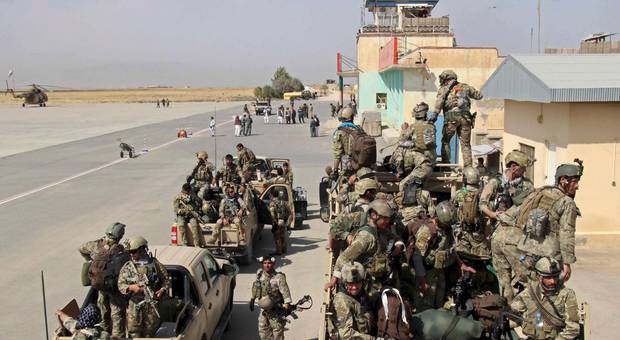
More US airstrikes as special forces join fight against insurgents outside Kunduz
American special operations troops joined the battle around Kunduz on Wednesday, exchanging fire with Taliban fighters near the airport where Afghan forces withdrew after ceding control of the city two days before, the U.S.-led coalition announced.
U.S. aircraft carried out more airstrikes against Taliban forces threatening the Kunduz airport, where Afghan government are regrouping after fleeing the city Monday.
The increased American support follow signs that Afghan forces are struggling in the face of the massive Taliban assault, which has plunged the U.S.-backed government of President Ashraf Ghani into the deepest crisis of its first year in office.
 |
| © Photo Reuters |
The New Great Game Round-Up #109
The Great Game Round-Up brings you the latest newsworthy developments regarding Central Asia and the Caucasus region. We document the struggle for influence, power, hegemony and profits between a U.S.-dominated NATO, its GCC proxies, Russia, China and other regional players.
With the conflicts in Syria and Ukraine dominating the headlines, the latest escalation of the Nagorno-Karabakh conflict between Armenia and Azerbaijan has gone largely unnoticed. It all started on September 24, when Azerbaijani forces shelled Armenian villages in the northeastern Tavush region close to the border. Mortar and gunfire killed three civilian women, aged 41, 83 and 94, and wounded four other residents. It was the highest number of civilians killed in one day for quite some time. Moreover, targeting villages with mortar fire is not a common tactic and has only rarely been seen since the end of the war in 1994. As Armenia called on the international community to get involved and prevent a further escalation of the conflict, Azerbaijan tried to play the innocent by using Israel's tried and tested 'human shields' rhetoric. But it quickly became clear which side is provoking an escalation:
Four Armenian Servicemen Killed by Azerbaijani Fire
Four Armenian servicemen were killed today in an offensive operation launched by Azerbaijan on Sept. 25. Norayr Khachatryan (b. 1995), Robert Mkrtchyan (b. 1995), Harout Hakobyan (b. 1997), and Karen Shahinyan (b. 1997) of the Artsakh Armed Forces were killed in the Azerbaijani attack, announced the Nagorno Karabagh Republic (NKR) Ministry of Defense.
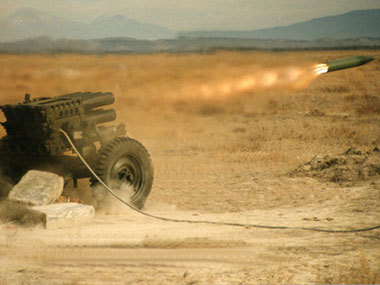
According to the Ministry, Azerbaijani forces used Turkish-made TR-107 rocket launchers in the attack. Intensive shelling reportedly took place on Sept. 24 and 25.
A day earlier, 83-year-old Parakavar resident Baydzar Aghajanyan and Berdavan residents Shushan Asatryan, 94, and Sona Revezyan , 41, were killed by Azerbaijani artillery fire targeting Armenian border villages in Armenia’s Tavush province. Four other residents were also wounded in the attack.
 German News, German Breaking News, German Latest News