The Great Game Round-Up brings you the latest newsworthy developments regarding Central Asia and the Caucasus region. We document the struggle for influence, power, hegemony and profits between a U.S.-dominated NATO, its GCC proxies, Russia, China and other regional players.
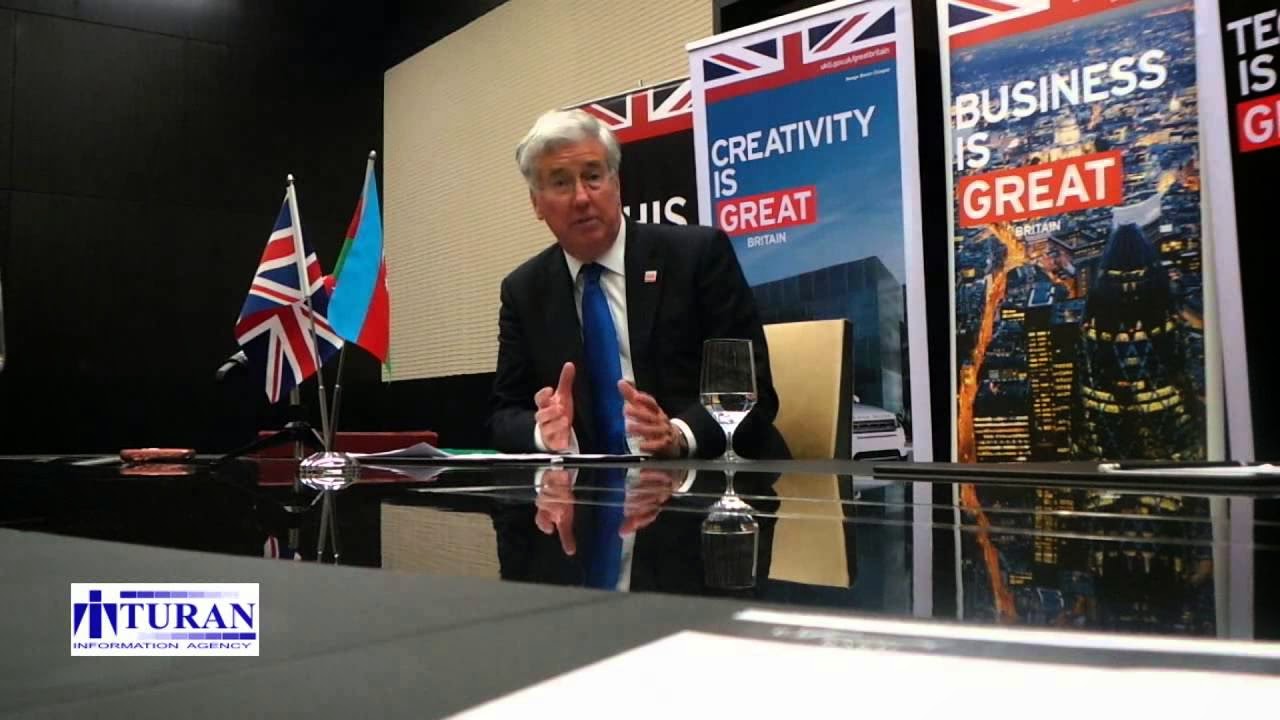
Europe's dependence on Russian gas has been a thorn in Washington's side for quite some time. In recent weeks, the United States and its lackeys in Brussels tried hard to sabotage Gazprom's South Stream pipeline, to no avail. Austria, Italy, Serbia and a few other European countries are not willing to give up on the project. Washington and Brussels will certainly exploit the MH17 tragedy to put more pressure on these “traitors”. The U.S. collaborators in Europe have demonstrated repeatedly that they will do everything in their power to reduce Russia's influence in the European energy sector, if necessary at the expense of EU energy security. Gas from the Caspian Sea region is seen as the solution and UK Energy Minister Michael Fallon vowed during his recent visit to Azerbaijan that the West will counteract Russia's attempts to “interfere” with the Southern Gas Corridor. It is not exactly clear which interference Fallon is alluding to but his other statements suggest that he is full of it:
Implementation of Trans-Caspian gas pipeline to increase stability in region
The implementation of Trans-Caspian gas pipeline will increase stability in the region, UK Energy Minister Michael Fallon told journalists in Baku.
Commenting on the opinion that Russia's position on the said project is fairly rigid, Fallon noted that the Russia was sanctioned for actions against Ukraine.
“We will continue to use them in order to make it clear: any escalation of tensions in the southeast of the country will lead to new sanctions. We work on these issues with partners in Europe. The existing tension makes more relevant the issue of reducing Europe's dependence on Russian gas,” Fallon said.
 German News, German Breaking News, German Latest News